What is self-management?

Self-management means learning how to look after your own health. This can be about your body, your feelings, or both.

Self-management includes:

  • knowing what matters to you and how you want your care to help you
  • learning about your health problem
  • learning new things to help you, like how to find good information online, how to take your medicine, or how to use your inhaler if you have asthma
  • working together with your healthcare team to choose what is best for you.

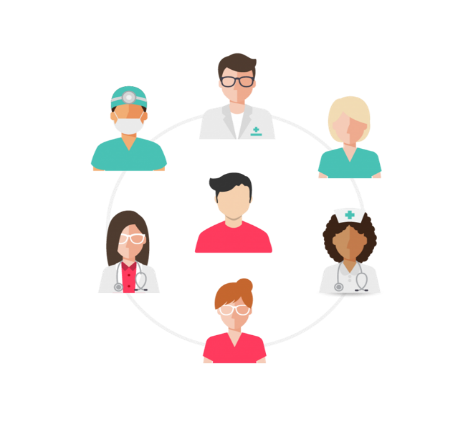
Your healthcare team will help you learn how to take care of yourself. They can give you information or teach you new skills to look after your own health.

Common questions

Question: Why should I look after my own health (self-manage)? 

Self-management means learning how to take care of your own health. Here are some reasons why it is good to self-manage.

More control 

When you understand your health problem, you can ask questions and tell your healthcare team what you need to stay better.

This helps you take care of yourself. For example, if you have diabetes, you can learn how to keep your blood sugar at a healthy level.

Saving time and money 

By learning how to take care of yourself and your health you may need less medical appointments. This can help you save time and money. For example, you will need less day off from work, no need to arrange childcare or less trips to the hospital.

Feeling less worried and anxious 

When you know what your symptoms or diagnosis mean, you can feel less worried. It can also make you more confident about when you need to ask for help. 

A symptom is a sign or feeling that tells you something is wrong with your body. It's what you feel or notice.

A diagnosis is the official name the doctor gives to the sickness or health problem you have. When you get a diagnosis, you know exactly what the problem is, and that helps you and your healthcare team to decide the best treatment.

Better outcomes 

If you notice your symptoms are getting worse, it is important to know what to do and when to ask for help. This can help keep you safe and stop bigger health problems (complications).

Question: Isn’t that my healthcare team’s job? 

Your healthcare team is there to help you. But people with long-term health problems that look after themselves spend less than four hours a year with their healthcare team.

Self-management helps you look after yourself the rest of the time. People who help with their own care often feel better and stay healthier.

Question: How do I self-manage? 

There are some simple resources which can help you get started. This app outlines some of these resources. 

You can also speak to your healthcare team about how to get more involved in self-management.

Question: What support should I get? 

Your healthcare team will help you to self-manage by: 

  • giving you access to a wide range of information which is easy to understand
  • listening to your concerns and questions
  • helping you writing an action plan. An action plan is a list of steps you and your healthcare team agree to take to manage your health problem. 

Top tips

How to look after your health

Ask questions
If you want to know something, ask your healthcare team (like your doctor or nurse). You can ask about your treatment (the help you get to get better), what could go wrong (complications), or where to get help.

Find out more
Learning about your health problem can help you understand it and look after yourself. Ask your healthcare team for good places to find information or go to your local library. There are also websites and apps with helpful information. For example visit this webpage.

Get support
You can get help from your healthcare team, friends, family, or people you work with.

Choose what matters to you
If you have a health problem that lasts a long time, some things might be harder to do. Try to pick what is most important to you. This can help make life easier.

Take your medicine
Follow the advice from your healthcare team (the people who gives you medicine). Always talk to your healthcare team before you stop taking any medicine. You can use a pill organiser (a special box for your pills) or set a reminder on your phone to help you remember.

Tell people what helps
If a treatment has helped you before, tell your healthcare team. Let your family and friends know how they can help you.

Notice your warning signs
Try to notice how you are feeling and look out for signs that you might be getting unwell. A warning sign is something that shows you might need help, like feeling more tired or having pain.

Accept your diagnosis
A diagnosis is the name the doctor gives to your health problem. Accepting your diagnosis means understanding your condition and taking control. It does not mean giving up.

Set goals
Set simple and realistic goals (things you want to achieve). Your healthcare team can help you make a plan. Be patient—it might take weeks or months to feel better.

Exercise
Doing the right exercise and stretching can help you feel less pain and more relaxed. Ask your healthcare team which exercises are best for you.

Keep a diary
Writing down how you are doing can help you see your progress. It can show you what works and what doesn’t.

Plan for setbacks
Sometimes things don’t go well. Think about what you will do if this happens. Being ready for problems can help you deal with them.

Self-management tools and resources

Here are some trusted tools and resources to help you learn how to look after yourself. These have been checked to make sure they are good and safe to use.

NHS inform contains a list of self-management tools and apps.

ALISS (A Local Information System for Scotland). ALISS can help you find information like:

  • services that support people in managing long term conditions
  • community support groups (for example, local choirs, book groups, befriending opportunities for getting more active and for getting outdoors)
  • practical, legal and financial support (for example, money advice and advocacy services)
  • digital technology that can support your health and social care.

Manage medicines is a web and mobile app funded by Scottish Government. It helps people learn more about their medicines and feel confident about taking them.

Living well with dementia is a web and mobile app funded by Scottish Government to support wellbeing for people living with dementia and their carers. It gives lists of places nearby and across the country where you can get help and support

Long COVID is a web and mobile app from the Scottish Intercollegiate Guidelines Network (SIGN) to support people living with long COVID to self-manage. 

Courses to help you look after your health

There are courses that can help you learn more about your health problem and feel more confident about looking after yourself. You can ask your healthcare team about other courses in your area or for your condition.

Bipolar Scotland 

Bipolar Scotland has courses to help people with bipolar disorder. These courses teach you how to manage your symptoms and feel better. You need to be a member of Bipolar Scotland to join, but members can go for free.

LGOWIT (Let's Get on with it Together) - Self-management in challenging times online course.

LGOWIT has an online course called "Self-management in challenging times."
This course is for anyone with a long-term health problem. It helps you learn new skills and ways to cope. If you live in the Highland area, you can join for free by signing up online. Is available free of charge to anyone living with a long term condition in the Highland local authority area by registering here.

My mental and emotional wellbeing

The struggles of self-management can affect your emotional and mental health.

How you feel in your mind and your mood can change how confident you are about looking after your health and living well.

Am I at risk of anxiety or depression?

The questionnaires below can help you to assess whether you are at risk of anxiety or depression.

Assess your anxiety level

Assess your depression score

This can help you to discuss with your healthcare team whether you need support. You should ask for support from your healthcare team to complete these questionnaires and to understand the results.

Setting goals for your feelings and emotions

Setting goals for your feelings (emotional wellbeing) is a personal thing. Take your time to think about what you want to achieve. Pick goals that matter to you. This will help you stay motivated and keep trying.

If you have filled in questionnaires about anxiety or feeling sad (depression), think about your answers before you set your goals.

Here are some examples of emotional wellbeing goals:

  • take care of your body and be kind to yourself
  • make time for mindfulness
    Mindfulness means paying attention to how you feel right now, without judging yourself.
  • find new ways to manage stress, worry, or sadness
  • ask for support. You can ask friends and family for help. You might also start talking to a therapist (someone who helps people with their feelings) if your healthcare team suggests it.

Resources to support your mental and emotional wellbeing

Silvercloud and Daylight courses

Silvercloud is a website with courses to improve your mental wellbeing. You can sign up for free using your email address.

Daylight is a digital programme to help improve symptoms of anxiety. It is available as an app on IOS and Android. To access this course, you need to provide the first half of your postcode and your email address.

MIND UK provides a range of resources to help build your self-esteem. This can help you to get your voice heard. It will also help you to take more control over decisions about your health and wellbeing.