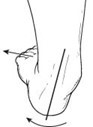
Flatfeet is a common condition, in which the arches on the inside of the feet flatten when pressure is put on them. When people with flatfeet stand up, the feet point outward, and the entire soles of the feet fall and touch the floor.
Flatfeet can occur when the arches don't develop during childhood. It can also develop later in life after an injury or from the simple wear-and-tear stresses of age.
Flatfeet is usually painless. If no pain is present, no treatment is necessary. However, if flatfeet is causing pain and limiting what you want to do, then an evaluation may be warranted.
Posterior tibial tendon dysfunction (PTTD)
This is a condition caused by changes in the tendon, impairing its ability to support the arch. This should be referred to podiatry early. If left for too long, it can result in flattening of the foot. PTTD is often called adult acquired flatfoot because it is the most common type of flatfoot developed during adulthood.
Symptoms may include
pain,
swelling,
a flattening of the arch and an
inward rolling of the ankle.
As the condition progresses, the symptoms will change. For example, when PTTD initially develops, there is pain on the inside of the foot and ankle (along the course of the tendon). In addition, the area may be red, warm and swollen.
Later, as the arch begins to flatten, there may still be pain on the inside of the foot and ankle. But at this point, the foot and toes begin to turn outward, and the ankle rolls inward.
As PTTD becomes more advanced, the arch flattens even more and the pain often shifts to the outside of the foot, below the ankle. The tendon has deteriorated considerably, and arthritis often develops in the foot. In more severe cases, arthritis may also develop in the ankle.
Who to refer, who not to refer, how to refer
Who to Refer
Those who have failed Primary care management
Urgent Referral Criteria
Nil
Who Not to Refer
Those who have not tried Primary care management
Additional Info
99% of these will go to Podiatry – refer to them unless they have had input from them already
Unlikely to operate if BMI >40
Imaging
Nil required
How to refer
We accept referrals through SCI gateway for those who are based in Scotland.
We also accept e referrals through the below email address using the attached form for those who are based just on the other side of the border.


 Borders Ref Help Toolkit