A tear to meniscal cartilage in the knee which can be traumatic or atraumatic. Typically presents with mechanical symptoms such as giving way and locking

History

  • Young to middle age
  • Twisting injury
  • Kneeling/squatting injury
  • Joint line pain
  • Difficutly walking
  • True locking

Signs

  • Limp
  • Effusion
  • Joint line tenderness
  • Possible painful block to extension

Meniscal tear


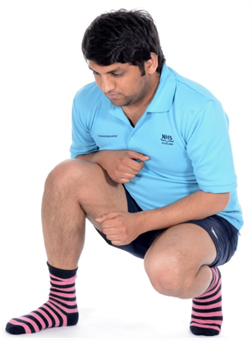
Unable to kneel, squat or Duck waddle

Meniscal tear 2

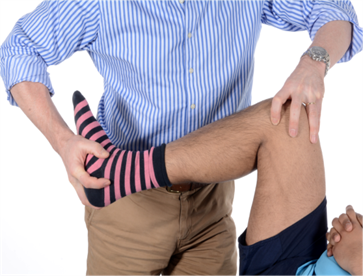
McMurrays Test


Who to refer, who not to refer, how to refer

Who to Refer

  • True locking
  • Giving way
  • Reduced ROM
  • Ongoing pain despite rehab

Urgent Referral Criteria

  • Locked Knee

Who Not to Refer

  • Atraumatic tear of meniscus ( degenerative tear usually in presence of OA ) – for APP review

Additional Info

  • Unlikely to operate acutely unless true locking and giving way
  • Unlikely to operate BMI >40

Imaging

  • WB Knee X-ray if over 45 (Ideally xray is < 1yr old)
  • <45 yrs MRI

How to refer

We accept referrals through SCI gateway for those who are based in Scotland.

We also accept e referrals through the below email address using the attached form for those who are based just on the other side of the border. 

E- Referral Email address - bor.orthoreferrals@borders.scot.nhs.uk

Referral form - E-Referral to Orthopaedics (Non Sci-Gateway)      


Primary care management

  • Physio rehab
  • Regular maximum multimodal analgesia
  • CSI X 2 if felt appropriate/possible -over 45 years old
  • Walking aid
  • Education
  • BMI >35 engage in wellbeing support

Resources and links

Primary Knee Pathway  - developed by First Contact Practitioners (To be confirmed, will update when available)  Primary Knee Pathway

Editorial Information

Last reviewed: 31/07/2025

Author(s): Paul Middleton.