Back to:
Digital health

What is digital health, care and wellbeing?

There are many digital tools that can help with your health and wellbeing. They range from very simple tools (such as step counters) to very advanced machineries (such as those used in robotic surgery). Technology has helped us improve how we live, work and play, as well as how we look after ourselves and each other.

This guide focuses only on technologies that are available to us on an everyday basis. These could, in the right circumstances, benefit our health, care and wellbeing.

What technologies are you talking about?

Apps (mobile applications) are programmes that you use on your smartphone. They can fulfil a huge range of tasks.

Wearables are devices that you can wear on your wrist, around your neck or even on your shoes and ankles. They usually track steps, heart rate and other activities you might take part in. More advanced examples include patches that can analyse chemicals within your body.

Online programmes and websites are resources that you would access through a browser. Examples of browsers include Google Chrome, Safari, Edge and Firefox. These work on any devices that can access the web. This includes computers, laptops, smartphones, tablets and even some e-Readers (such as Kindles). You do not need to install anything on your device to use them.

Sensors and home aids are devices that you can install in your home. These can help with everyday living or in emergency situations. They include bed pressure sensors that can detect when you get in or out of bed. They also include smart energy meters, alarms, movement sensors, smoke, gas and flood detectors or fall detectors.

Environmental Control Systems are devices that can be installed in the home. They assist individuals to control everyday equipment and devices. This includes TVs, phones, doors and many more.

Tele-monitoring tools are devices that help you to track certain health aspects. They can also send this information to your GP or another healthcare professional. Tele-monitoring tools can also help you avoid going into a hospital or GP practice for routine checks. Instead, they let you take your own readings. You can then send them to your health professional through a text or online. This is common for blood pressure monitoring, for example.

Some more tools are defined in the glossary section.

How much control do I have over these technologies?

The level of control you have in your interactions with these technologies varies. Some are tools for reporting at a distance (tele-monitoring). Some send data automatically (sensors). However, some will allow you more choice and involvement. They could even give you personalised feedback.

The level of control you have over the technology will depend on two things:

  • How advanced the technology is
  • Who is providing the technology
Many digital tools are available for free today, in particular apps. You can buy more complex solutions or devices from private companies. In some cases, you can get paid-for tools for free or subsidised through local councils or the NHS. Make sure to discuss your options with someone you trust before you commit to anything. It is important that you understand how the technology works. Most importantly, you want to know if there are any risks involved in using a new tool or device. This guide will highlight some of the key risks. This can help you identify them and make an informed decision on whether to use a digital tool or not.

It is also worth thinking how much time and effort you are willing to put into your use of digital tools. This is likely to impact the type of tool that is most suitable to you. For example, there are many apps today that can help people track what they eat. These can be useful for those living with diabetes or looking to manage their weight. But they can also be very time intensive, as each meal or snack needs to be recorded in the app.

Other tools request less of you. For example, step tracking apps and devices often record data in the background. All you need to do is remember to charge your devices and take them with you when you go for a walk.

Does digital technology affect my rights?

Technology can also change the way we access services. Most often, these changes aim to make things better. For example, digital can help us access services more easily. Or it can help us receive adequate care or stay independent. But sometimes changes can also create problems. This is particularly true where the changes do not respect our human rights.

Human rights are the basic rights and freedoms that belong to everyone. They protect dignity, fairness, equality, respect and independence. New technologies and digital services should protect and enhance our human rights.

In 2021, we developed five principles for human rights in digital health and social care and these were refreshed in 2025. If respected, these principles can help us avoid the potential pitfalls of digital. They can also help us ensure that everyone benefits from their right to health in a digital future.

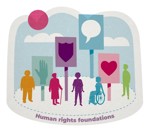
The five principles are:

                                                                A bubble with people inside and placards. Including the text "human rights foundations"

  1. Person led services with people at the centre:
    • People should be involved in co-creating digital services, deciding how, where and when digital is used in health and social care.
    • People should have access to inclusive and flexible digital services that meet their needs, rights, preferences and choices, with support if appropriate.
  2. Digital as an informed, meaningful, ongoing choice:
    • People should be able to make an informed choice between using digital and non-digital health and social care services - and to switch between them at any time - without compromising the quality of care they experience.
  3. Digital Inclusion: embedding safety, skills and confidence:
    • Everyone has the access, skills and confidence to utilise digital services if they choose to do so, regardless of their socioeconomic background, location or ability.
  4. Quality digital experiences - rights and system responsibilities:
    • Digital services should be accessible, trustworthy and inclusive, providing a high quality digital experience for people who use them.
    • Services should be accompanied by supportive initiatives to provide tailored support, coaching and practical resources to assist those who might be experiencing digital inequality.
  5. Secure access and control of personal data:
    • People should have access to data held about them by health and social care services and have control over this data and how it is used.

Are there any benefits to using digital technologies for health, care and wellbeing?

There are many benefits to using digital for your health, care and wellbeing.

Some technologies can help you do things in a new way. For example, you could find new ways of connecting with family or medical staff who support you. You could also use technology to communicate information about your health to them. As a result, they could check your day to day wellbeing. This could help them intervene in the event of an emergency. But it also means they could understand your life and your needs better.

Other tools can be useful if you’re trying to change certain aspects of your life. You might want to understand more about your health by tracking aspects of your life. Or you might want to receive wellbeing advice on a phone, tablet or computer.

Studies have found that combining advice from a doctor and interactive digital technology can help. This was true for people with long term conditions, who felt encouraged to become more involved in their treatment. As a result, they were more likely to change their behaviours and achieve better outcomes. Even tools which you use on your own, without help from a health professional, can be beneficial.

Evidence: In 2020, NICE released a guideline that confirmed that digital interventions may help people achieve health goals. This includes helping people to be more active, manage their weight, quit smoking, reduce alcohol intake or reduce unsafe sexual behaviour.

There are other reasons why digital can be beneficial. For example, face-to-face support doesn’t suit everyone. Attending appointments in person can be difficult for carers or those with work commitments. People living with fatigue or anxiety might also prefer accessing support from the comfort of their own home.

Digital tools or services are not meant to replace the care and support you receive. You should always be able to choose to access care and support in the way that best suits you and your needs. But monitoring your own condition, or participating in a digital programme, can sometimes help. It can give you a better degree of self-awareness and the motivation to adopt better habits. Studies have also shown that people who use digital technologies to self manage are more active during GP consultations.

Tele-monitoring tools can help you become more independent. Some digital tools can help detect gas leaks, fire and floods. They can also call for help in emergencies and detect falls etc.

Remote monitoring can also give carers peace of mind, freedom and confidence. There are technologies which can help them manage routine tasks better. This could allow them to use that time to support you in a more meaningful way.

Who can use digital tools and services?

Everyone should be able to use digital tools for their health, care and wellbeing. But the pace of learning will depend on both the tool and your own level of comfort with technology. Some tools you will find easy to use and operate. For others, you might need a bit of time and effort to get to grips with them.

There are a few things which can help a tool to work for you:

  • You must understand your own health, goals and how the tool might benefit you. You should also consider how a new tool would fit alongside other support you may be receiving.
  • You must be open and motivated to change your behaviour to manage your health and wellbeing.
  • The tool must become a natural part of your routine.

But don’t feel disheartened if you come across a tool that’s too complicated or too hard to use. You can discuss your options with someone you trust, such as a support worker or family member. They might be able to recommend a tool that is more suitable to you.

It is a common misconception that some technologies are for elderly or frail people only. But tele-monitoring and assistive technologies are suitable for a wide range of people, as noted in this list from NHS Highland:

  • Older, vulnerable or frail people who are living alone or spend long periods of time on their own
  • People living in isolated areas
  • People living with medical conditions, such as epilepsy, mental health problems or dementia
  • People in need of extra security and fire safety
  • People who experience domestic abuse or burglaries
  • Disabled people, people who have restricted mobility or are unwell, and may need help in an emergency
  • People in need of extra support after a stay in hospital
  • Carers

Think about your situation and what your own goals for your health, care and wellbeing are. Think about what you want to achieve and what help you might need to get there. Then you can start thinking about what tools might fit those needs.

This guide describes tools in three categories:

  • digital self management tools
  • digital NHS tools
  • technology enabled care tools.

It is likely that one or more of these types of tools could be of benefit to you.

Find out more:

You have just completed the second section of this guide:

  1. About / How to use this guide
  2. The big picture
  3. Digital tools for self management
  4. Digital NHS services
  5. Technology enabled care
  6. Safeguarding and self-evaluation
  7. Glossary and references

About the ALLIANCE

About the ALLIANCE

The Health and Social Care Alliance Scotland (the ALLIANCE) is the national third sector membership organisation for the health and social care sector. We bring together over 3,500 people and organisations dedicated to achieving our vision of a Scotland where everyone has a strong voice and enjoys the right to live well, with dignity and respect. Our members are essential in creating a society in which we all can thrive, and we believe that by working together, our voice is stronger. 

 We work to improve the wellbeing of people and communities across Scotland by supporting change in health, social care and other public services so they better meet the needs of everyone in Scotland. We do this by bringing together the expertise of people with lived experience, the third sector, and organisations across health and social care to shape better services and support positive change. 

The ALLIANCE has three core aims.  

 We seek to: 

  • Empower people with lived experience: we ensure disabled people, people with long term conditions, and unpaid carers are heard and that their needs remain at the heart of the services and communities.  
  • Support positive change: we work within communities to promote co-production, self management, human rights, and independent living.  
  • Champion the third sector: we work with, support and encourage co-operation between the third sector and health and social care organisations. 

The ALLIANCE is committed to upholding human rights. We embed lived experience in our work and aim to ensure people are meaningfully involved at every level of decision-making.  

 Working together creates positive, long-lasting impact. We work in partnership with the Scottish Government, NHS Boards, universities, and other key organisations within health, social care, housing, and digital technology to manage funding and develop successful projects. Together, our voice is stronger, and we can create meaningful change.  

Test your learning - bite size quiz

Editorial Information

Last reviewed: 05/04/2024

Author(s): The ALLIANCE.

Version: 2.0

Author email(s): DHCscot@alliance-scotland.org.uk.