Back to:
NHS GGC

What is COPD?

Chronic obstructive pulmonary disease (COPD) is the term used to describe a group of health conditions that affect the lungs, cause breathing difficulties and long-term damage to the airways.  

It includes conditions such as chronic bronchitis, where the airways are inflamed and become narrowed, and emphysema, where there is damage to the small air sacs (alveoli). 

  • Chronic = long-term 
  • Obstructive = narrowing of the airways 
  • Pulmonary = involving the lungs 
  • Disease = illness

What causes COPD?

COPD (Chronic Obstructive Pulmonary Disease) happens when your lungs and airways get damaged by things that you breathe in. Here is what you need to know:

  • Main cause? Smoking.

    • Cigarette smoke is the biggest reason people get COPD.
    • It causes about 9 out of every 10 cases.
    • Even breathing in second-hand smoke (passive smoking) can lead to COPD.
  • Other harmful things you might breathe in:

    • Dust
    • Fumes
    • Chemicals (especially at work)

Other Things That Can Increase Your Risk

  • Lung problems early in life – like being born prematurely or having chest infections as a child
  • Family history – if your parents or relatives had lung problems.
  • Genetics – some people are born with genes that make them more likely to get COPD.
  • Environmental exposure – living or working in places with lots of pollution or poor air quality.

What are the symptoms of COPD?

You should see your GP if you have any of the symptoms of COPD.

Common symptoms of COPD can include: 

  • Breathlessness  
  • Cough 
  • Coughing up lots of phlegm or sputum 
  • Wheezing 
  • Frequent chest infections 

Getting diagnosed with COPD and starting treatment early can help prevent lung problems from getting worse.  

How do Doctors check for COPD?

To find out if you might have COPD (Chronic Obstructive Pulmonary Disease), your doctor will:

  • Ask questions about your health, like:

    • Do you have chest problems (like coughing or wheezing)?
    • Do you smoke or work around dust, fumes, or chemicals?
    • Do you have other health issues like heart disease or osteoporosis?
  • Send you for tests, which might include:

    • breathing test to see how well your lungs work
    • Blood tests to check for other conditions
    • chest X-ray to look at your lungs

Is there a cure for COPD?

Is There a Cure?

  • Right now, there’s no cure for COPD.
  • Symptoms usually get worse over time.
  • But! Catching it early and starting treatment can really help you feel better and slow things down.

How is COPD managed?

Treatments for COPD aim to help manage and control your symptoms and improve your quality of life 

Therapies can include medications such as inhalers, and lifestyle changes including Internal linkstopping smoking and Internal linkexercise classes (pulmonary rehabilitation).

Check out the section on Internal linktreatments for COPD for more information.

Where can I find more information?

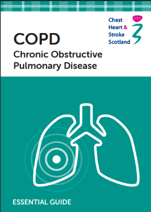
For more information you can download or print this guide from Chest Heart and Stroke Scotland: COPD essential guide (by clicking on the image).  If you prefer this guide in a different format you can contact Chest Heart and Stroke Scotland by contacting the CHSS Advice Line Nurses on 08088010899 or email them at adviceline@chss.org.uk.  To provide feedback on this publication visit COPD: Chronic Obstructive Pulmonary Disease - Chest Heart & Stroke Scotland

COPD

See also:

Click here

Asthma + lung UK: What is Chronic Obstructive Pulmonary Disease? What is chronic obstructive pulmonary disease (COPD)? | Asthma + Lung UK 

Click here

My lungs my life: What is COPD? What is COPD? | My Lungs My Life 

Click here

NHS inform: Chronic Obstructive Pulmonary Disease Chronic obstructive pulmonary disease (COPD) | NHS inform