Phobias are a type of anxiety disorder, so learning how to manage anxiety can really help, especially when you're ready to start facing your fear.
Start with anxiety management tools 
 Muscle relaxation: First tense all your muscles as tightly as you possibly can. Once they feel really tense, try tense them even more! Once you are completely tense, allow them to relax as much as possible. Notice the change from tension to relaxation and allow this change to continue further and further still so all your muscles are more and more relaxed.
 Breathing exercise: Breathe in slowly… 1, 2, 3… and out even slower… 1, 2, 3, 4, 5, 6.
Repeat until you feel more relaxed.
Facing Your Fear: The Coping Ladder
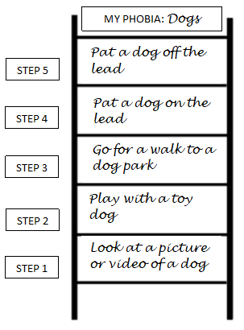
Once you have mastered the strategy which helps you calm down the best, you can give the coping ladder a go.
The coping ladder involves you taking very small steps towards facing your fears while using non-distraction anxiety management strategies to keep calm like the ones above.
You could try making and using your own coping ladder (use the example provided if this is helpful), and perhaps reward yourself with something you really enjoy once you’ve reached each new step of the ladder!
Once you are managing one step well, you can move on to the next step. Stay on one step until you are comfortable before moving on to the next step. Progressing along the steps will help you face your fears and manage your anxiety better. If you completely avoid things that are scary, they will just remain scary.


 MyApp: My Mental Health

 The fear can feel out of your control.
 It’s hard for others to explain why the fear isn’t dangerous.
 You might avoid the thing you’re afraid of, which means you don’t get a chance to face it and learn that you can cope.
 Social Phobia: This is when you feel very anxious about being judged or embarrassed in front of others.
 Specific Phobia: This is when you have a strong fear of a particular thing or situation.
 Note: Situational phobias are different from social phobia, even though both involve fear of situations.