Diabetes – Pre Pregnancy, Antenatal and Postnatal Guideline

Warning

Objectives

An optimal outcome may be obtained in diabetic pregnancy if excellent glycaemic control is achieved before and during pregnancy. Good pre-pregnancy planning is thus essential. Effective contraception, allowing a planned pregnancy, is therefore important. 

Introduction

Type 1 diabetes in pregnancy is a high-risk state for both the woman and her fetus. Rates of miscarriage, perinatal loss and major congenital malformation are increased at least two to threefold. 

Type 2 diabetes is becoming more common in this age group and management of pregnancies in people with type 2 diabetes should follow the same intensive program of metabolic, obstetric and neonatal supervision. 

Pre Pregnancy Care including Contraception

Infants whose mothers receive dedicated multidisciplinary pre-pregnancy counselling show significantly fewer major congenital malformations (approximating to the rate in non diabetic women) compared to infants of non-attendees. They also have fewer immediate problems and are kept in special care for shorter periods. 

The Tommy’s pregnancy planning app is a useful resource for women as it covers other important health issues such as smoking and mental health, in addition to diabetes: Planning for Pregnancy | Tommy's 

All women with diabetes who are planning a pregnancy should be seen at a Multidisciplinary Clinic involving an endocrinologist, obstetrician, diabetes nurse specialist, and dietician. They should be seen with their partners if possible and provided with written information. 

  • Full medical, obstetric and gynaecological history. 
  • Check thyroid function. 
  • Review current medications. 
  • STOP: ACE Inhibitors, A2 Blockers, and Statins, Review anti diabetic medication and likely stop all but metformin and insulin. Women on other agents may need replacement with insulin. Contact the local Diabetes Secondary Clinic immediately as soon as pregnancy confirmed. 
  • Prescribe Folic Acid 5mg daily for at least 3-months preconception and for 1st trimester (SIGN guidance). 
  • Screen for complications – retinal screening, U&E, urine albumin-creatinine ratio (ACR). NICE guidelines advise renal input if serum creatinine > 120 pmol/l, eGFR <45ml/min/1.73m2 or ACR > 30 mg/mmol. 
  • Advice on diet and weight reduction if relevant and strongly discourage smoking, alcohol and drug use and refer to cessation services if appropriate 
  • Educate on the importance of near normal glycaemia control. 
  • Instruct partners to recognise and treat hypo glycaemia with glucagon if necessary. 
  • Support improvements in glycaemic control including access to structured education where appropriate and consideration of optimal monitoring and insulin delivery. 


Contraception

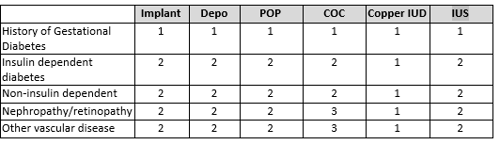
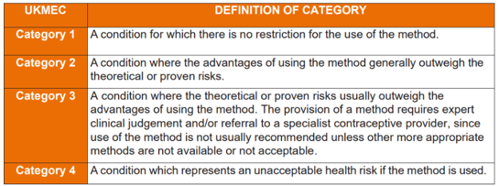
Contraception should be discussed on an individual basis with all women of childbearing age with diabetes. According to UK MEC guidance - 
Optimising glycaemic control
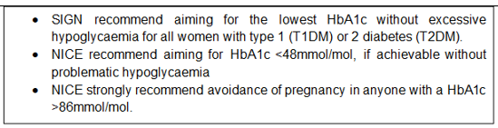
A target HbA1c of < 48 mmol/mol should be the aim, if achievable without problematic hypoglycaemia. It is, however, noted that this target may not be achievable and so failure to reach this target should not be a contraindication to pregnancy. Women should be counselled that the risks of adverse pregnancy outcomes are reduced with any reduction in HbA1c.  

Women with HbA1c above 86mmol/mol should be strongly advised to avoid pregnancy.  

Offer hybrid closed loop technology to all women with type 1 diabetes actively planning pregnancy. The preferred system is currently  Ypsomed pump with CamAPS algorithm. 

Blood glucose targets pre-pregnancy 

  • SIGN and Diabetes Technology Network UK guidance is to aim for sensor glucose time in range (TIR, 3.5 – 7.8 mmol/l) at least 70% of the time with < 4% below target and < 1% < 3.0 mmol/l 
  • Target glucose pre-meals are taken from SIGN and are extrapolated from gestational diabetes targets and suggested pre-meals/fasting < 5.5 mmol/l and 2-hour post meal 7 mmol/mol. (NICE guideline targets are < 5.3 mmol fasting, and 6.4 mmol/l 2 hours after eating) 
  • It is accepted that meeting these targets is very challenging 

Women who are well controlled and free from complications should take 3 month’s folic acid prior to stopping contraception and keep a record of periods. Others should spend additional time optimising control and having complications investigated and treated. 

Women should perform a pregnancy test if there is a lapse of 5 weeks between periods and contact their Diabetes Specialist Nurse if positive. 

Ante-Natal Care

Care should be hospital based, from a multi-disciplinary team, and women should be offered an appointment at the next joint diabetes antenatal clinic after confirmation of positive pregnancy test. Women generally attend every 2 to 4 weeks until 30 weeks and then every 1-2 weeks thereafter, with phone contact from diabetes liaison nurses/dieticians approximately weekly or more frequently.  

Glucose monitoring during pregnancy 

  • Pre-pregnancy targets as above should be continued into pregnancy 
  • HbA1c should be checked at booking and during 2nd and 3rd trimester 
  • Hybrid closed loop therapy should be offered to all with Type 1 diabetes – as above Ypsomed pump with CamAPS algorithm is the current preferred system.  

First diabetes antenatal clinic appointment checklist – Type 1 diabetes 

  • Discussion of glucose targets and importance of good glycaemic control to reduce pregnancy risks 
  • Risk of hypoglycaemia including reduced awareness, driving regulations and consideration given to glucagon injection counselling if impaired awareness of hypoglycaemia 
  • Document pre-pregnancy insulin doses/pump settings 
  • Discussion of indications for ketone testing (unwell or glucose > 10 mmol/l); ensure in date ketone testing strips 
  • First trimester retinal screening to be booked and explanation of need for screening each trimester 
  • Ensure up to date ACR and U&E  
  • Check thyroid function tests 
  • Review of current diabetes and other medication 
  • Ensure on folic acid 5 mg daily until end of first trimester 
  • VTE risk screening  

First diabetes antenatal clinic appointment checklist – Type 2 diabetes 

  • Discussion of glucose targets and importance of good glycaemic control to reduce pregnancy risks 
  • Document pre-pregnancy antihyperglycaemic medication and insulin doses 
  • First trimester retinal screening to be booked and explanation of need for screening each trimester 
  • Ensure up to date ACR and U&E  
  • Review of current diabetes and other medication 
  • Ensure on folic acid 5 mg daily 
  • VTE risk screening 

Subsequent appointments 

  • Ongoing focus on optimising glycaemic control 
  • Aspirin 150 mg to be started from 12 weeks gestation till 36 weeks  
  • VTE risk screening updated 
  • HbA1c in 2nd or 3rd trimester 
  • If unexplained recurrent hypoglycaemia or falling insulin requirements in 2nd or 3rd trimester this can be a sign of placental insufficiency and should have same day obstetric assessment 
  • Women with Type 1 or Type 2 diabetes should be offered elective delivery by induction or (if indicated) Caesarean section between 37+0 and 38+6 weeks gestation (as SIGN and NICE guidelines) 
  • Intra and post-partum diabetes management should be discussed and agreed with patients during the third trimester.  

Post Natal Care

  • Insulin requirements fall dramatically after delivery- reduce dose to pre-conception dose, sometimes less, and relax glucose targets to 6 – 10 mmol/l (individualised) 
  • In breast feeding mothers reduce this further and encourage higher blood sugars than pregnancy. Carbohydrate snack of 15 – 20 g. Ensure that women with Type 2 diabetes do not transition onto anti-diabetic medications other than metformin or insulin while breastfeeding.  
  • Update target range on CGM (3.9 – 10 mmol/l) 
  • Discuss contraception after delivery (usually prior to hospital discharge) as per pre pregnancy advice for diabetes and postnatal advice UKMEC_2025.pdf 
  • All women should be reviewed at the diabetes clinic in 6-8 weeks. 


Supporting Evidence/References/Related Guidelines & Resources

SIGN 171: SIGN 171 Management of diabetes in pregnancy 

NICE Diabetes in Pregnancy: Recommendations | Diabetes in pregnancy: management from preconception to the postnatal period | Guidance | NICE 

Greater Glasgow and Clyde Guidelines for the Management of Diabetes Mellitus during Pregnancy and Diagnosis of Gestational Diabetes (1136) 

Lothian Diabetes and Pregnancy Guideline 2024 

UK Medical Eligibility Criteria 2025 UKMEC_2025.pdf 

Editorial Information

Last reviewed: 21/01/2026

Next review date: 21/01/2029

Author(s): Williamson R.

Co-Author(s): Darlow K.

Approved By: Women and Children’s Services CMT