Key Points:

  1. Malnutrition significantly increases the risk of perioperative complications (CPOC Article)
  2. Patients should be screened using the Malnutrition Universal Screening Tool which is used in the community and hospital setting for adults.

  3. The MUST score includes management guidelines. Patients who score 2 or more should be referred to the dietitian who can provide a personal care plan and monitor patients as required.

Nutrition Advice

Eating well before surgery ensures a patient's body is in optimal condition to manage the stress of the operation and heal efficiently afterward.

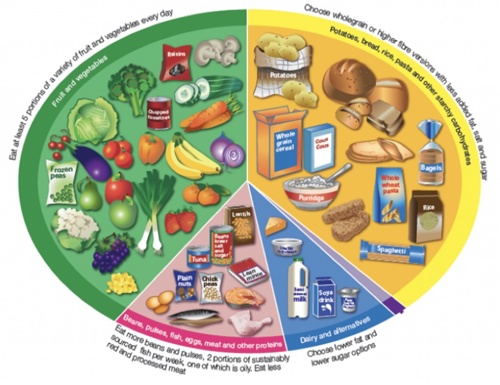
Advice to patients should focus on the importance of a balanced diet to ensure the body gets all the nutrients it requires. The Eatwell plate shows each of the different food groups and the proportions we should be eating to form a balance.

The eatwell plate includes:

  • Carbohydrates (yellow)
  • Fruit and vegetables (green)
  • Protein (pink)
  • Dairy foods (blue)
  • Unsaturated fats and oils (purple)

Foods high in fat, sugar and salt sit outside of this but can be eaten in small quantities as part of a balanced diet. It is not recommended to cut out any food groups as this causes an imbalance.

Further information on a balanced diet and portions sizes can be found on the British Dietetic Association website:

Energy, Protein, Hydration and Micronutrients

Energy needs

Carbohydrates are the body’s main fuel source which are represented in yellow on the Eatwell plate. Under eating these foods can lead to a lack of energy, low mood, and reduced concentration. Overeating carbohydrates especially when physical activity is low can cause weight gain.

Prior to surgery it is recommend to meet the advised portion sizes for carbohydrates and spread them throughout meals. Wholegrain options are recommended due to the nutrients they contain and the fibre content which is good for bowel health.

Protein needs

Protein is the body’s main fuel for building muscle and strength. Patients may need to build some strength prior to surgery. Ensuring protein intake is adequate can help with this. Some excellent sources of protein are chicken, meat, fish, eggs, Greek yoghurt, nuts and lentils.

Meat is also a source of iron and B12.

Try to include two portions of fish each week, one of which should be an oily fish (darker skinned), for example: mackerel, trout, sardines or kippers.

Hydration

Drinking enough water is essential for energy levels, brain function, digestion and helps to regulates temperature. Drinking enough fluids can help make you feel your best. The minimum daily fluid recommendations are 1600 mls for women and 2000 mls for men, unless there is a clinical condition that requires a different approach.

Micronutrients

Micronutrients are vitamins and minerals. It is possible to get adequate amounts from diet.

Having a well-balanced diet rich in micronutrients can help with immune function, wound healing, muscle function and antioxidant protection. The Eatwell Plate highlights the significance of including all food groups in the diet to achieve a balanced intake of essential micronutrients.

In the UK during autumn and winter everyone is advised to take a supplement containing 10 micrograms (400 international units) of vitamin D per day to support general health and in particular bone and muscle health. This is because we cannot make vitamin D from sunlight at this time of year.


Weight Management Resources

Obesity is associated with increased risks from surgery including;

  • Chest infections
  • Difficulty breathing
  • Wound infections
  • Poor wound healing
  • Technical challenges during surgery

Patients should not be encouraged to lose weight rapidly, but should instead be given advice about a healthy balanced diet, as outlined above, and increasing activity levels if indicated.

NHS Lothian Resources

Weight Management Resources available to patients in NHS Lothian include;

Malnutrition

Undernourishment and malnutrition are long established surgical risk factors. Affected patients lack the reserves to meet the physiological demands of the surgical stress response.

Identifying and addressing malnutrition preoperatively can be challenging, the surgical condition itself may be a contributing or causal factor.

Relatively few patients (1-5%) present for surgery underweight compared to other risk factors. However, the magnitude of perioperative risk increase is 3-4 times and it is therefore crucial to identify early.

Malnutrition Screening

The Malnutrition Universal Screening Tool (MUST) is a widely used method to identify adults who are malnourished, at risk of malnutrition, or obese.

The tool provides an overall risk score and includes management Guidelines. The guidelines should be used to develop a care plan based on the malnutrition risk.

The MUST tool can be used by all care workers to ensure proper nutritional care and management.