

 Patient information leaflets

 telephone: 01896 826440
Duodenitis happens when your immune system senses a threat to this lining, like an infection or damage from stomach juices. It triggers inflammation in your duodenum to fight infection-causing germs and heal the damage.
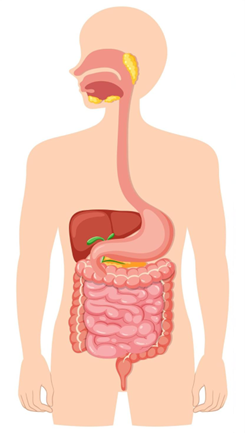
Causes:
- Helicobacter pylori infection
- Taking nonsteroidal anti-inflammatory drugs (NSAIDs), such as aspirin or ibuprofen for a long time
- Coeliac disease, an allergy to gluten
- Crohn's disease
- Drink alcohol
- Smoking
Symptoms:
Burning, cramping, or hunger-like pain in your stomach
- Gas or a bloated feeling
- Lack of appetite
- Upset stomach (nausea) and vomiting
- A full feeling soon after starting a meal
- Tar-coloured or dark stools
- Fatigue and a low blood count if ulcers are bleeding
- Anaemia
Treatment:
If you have duodenitis, one or more of these treatments may help:
- Antibiotics to treat Helicobacter. Pylori infection.
- Acid suppressant medication.
- Avoiding NSAIDs such as aspirin and ibuprofen. But if you take aspirin for a health problem, such as heart disease or stroke, don't stop until you check with your healthcare provider. If you take NSAIDs for arthritis or pain, check with your provider about other pain medicine options.
- Adopting a gluten-free diet if coeliac disease is the cause
- Reducing alcohol intake
- Stopping smoking
Further Information: