Quit Your Way Pregnancy Service NHSGGC



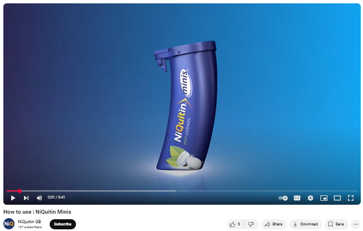
Video: How NRT can help you quit smoking
Nicotine is an addictive drug that actually changes your brain. That’s what can make quitting so hard.
Nicotine activates the reward pathway in the brain that makes us feel good when we do something we enjoy. Every time you smoke you get a feeling of reward and so you want to do it more. Over time, the body learns that it needs nicotine to feel good, but it can never get enough.
When your brain is used to having the reward pathway activated regularly by nicotine from smoking and then this stops, you can get withdrawal symptoms like cravings. The good news is that you can use nicotine replacement therapy to help your brain get used to having less nicotine, and over time your brain will go back to the way it was before you smoked.
NRT weakens the cravings and re-trains the brain. NRT allows just enough nicotine to be in the body and this helps reduce the withdrawal symptoms you may feel when quitting smoking.
- Long-acting NRT such as patches provide a steady, low level of nicotine for a long period of time to help make withdrawal symptoms more manageable.
- Short-acting NRT products such as gum, lozenges, nasal sprays, and inhalers get nicotine to the brain pretty fast, but the nicotine doesn't stay for very long. They can be helpful when you suddenly get a stronger craving.
Using both long- and short-acting forms of NRT together is more effective than using one type alone. Use patches to provide a steady low level of nicotine, and then a short-acting NRT product for times when you have a shorter, stronger craving.