Renfrewshire child protection guidance
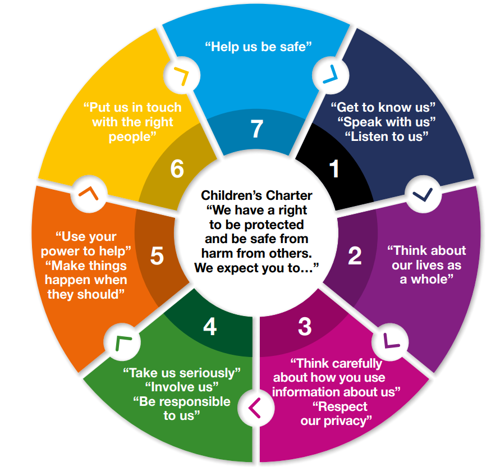
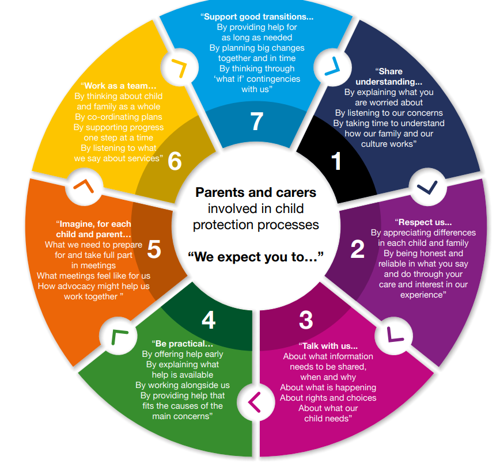
Children have a right to participation as well as to protection and the provision of conditions favourable to their development Children and young people should have the opportunity to be involved in all decisions affecting their lives Their right to protection and participation are enshrined in the United Nations Convention on the Rights of the Child.
- Anyone working with children should involve them at every stage of the child protection process, see and speak to the child, listen to what they say, take their views seriously and work with them collaboratively when deciding how to support their For babies and infants their presentation and pattern of behaviours must be considered.
- Child Protection Investigations need to be conducted taking cognisance of the fact that children may fear reprisals if they disclose, for example: grooming/coercion; threats of physical or emotional harm or that disclosures will result in social consequences such as isolation, bullying, or being treated differently by peers.
- Workers should explain the purpose and outcome of the investigation to children (having regard to age and understanding) and be prepared to answer questions openly, unless to do so would affect the safety and welfare of the child.
- Babies and young children have a voice that must be listened to This voice is heard and seen in the noises and movements they make, their response to the environment and in their interactions with the people who are with them The Voice of the Infant: best practice
- Guidance and infant pledge provide guidance on how to take account of infants’ views and rights. The term ‘Voice of the Infant’ is used to convey our understanding that babies have their own minds and have things to communicate from birth The guidelines offer suggestions about how those who work with babies and very young children can notice, facilitate and share the infant’s feelings, ideas and preferences which they have let us know about through their gaze, body language and vocalisations.