TAM (Treatments and Medicines) NHS Highland

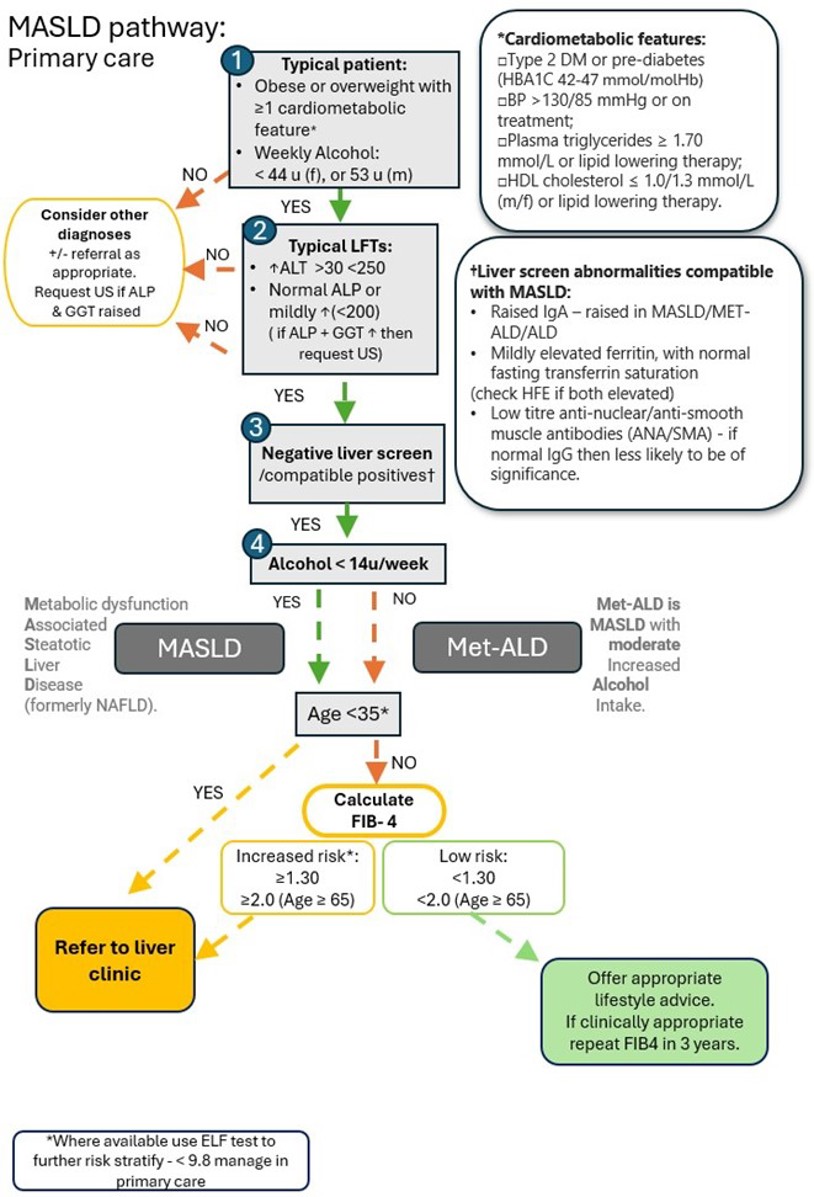
MET-ALD is the new name for patients with MASLD whose alcohol intake is above recommended levels, but below the thresholds associated with pure Alcohol related Liver Disease (ALD).
MASLD typically occurs in those who are overweight or obese with one or more feature of metabolic dysfunction. Known and unknown genetic mutations confer risk, and contribute to lean MASLD, which can occur in people with normal or mildly raised BMI.
Features of metabolic dysfunction include:
- Prediabetes OR Type 2 DM
- BP >130/85mmHg, OR antihypertensive therapy
- Plasma triglycerides ≥1.70mmol/L (or relevant local upper limit of normal), OR lipid lowering therapy
- HDL cholesterol ≤1.0mmol/L (male) or 1.3mmol/L (female) (or relevant local upper limit of normal)
As more of Scotland’s population are either overweight (2 in 3) or obese (almost 1 in 3), more individuals are at risk of MASLD. In the absence of significant weight loss, hepatic steatosis (excess fat in the liver) is the norm in those with centripetal obesity, and common in those who are overweight. However, the rate of development of significant fibrosis (scarring) of the liver due to MASLD is slow, and the minority develop cirrhosis (the most severe scarring of the liver).
Whilst development of cirrhosis is associated with an increased risk of liver related morbidity and mortality, death from other causes still predominate. In particular, people with MASLD are at high risk of premature death from cardiovascular disease and non-hepatic malignancies. Whilst it is important to identify and refer those at risk of more severe hepatic complications, this should take place in the context of holistic care, which manages cardiovascular risk (including smoking cessation) and encourages participation in age and gender appropriate cancer screening.
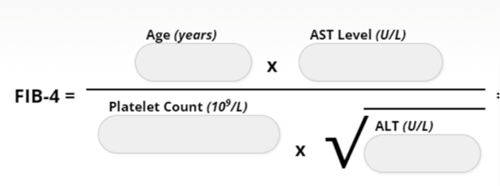
In addition, many patients with MASLD have significant co-morbidities and the decision to investigate, refer to secondary care, or monitor FIB-4 should incorporate a Realistic-Medicine approach that always considers the likelihood of benefit to the patient.
This national pathway is a pragmatic guideline that gives advice on primary care identification and management of MASLD, together with guidance for secondary care pathways and the interface between the two.
Intelligent LFTs (iLFTs) are available in some health boards and incorporate a liver screen, BMI and alcohol history to identify patient’s likely underlying liver diagnosis, and the need for secondary care referral. Where available, these guidelines should not replace iLFTs as the initial investigation of choice.